For the perpetual traveler and digital nomad, choosing your luggage isn't just about carrying your belongings—it's about defining your mobility, efficiency, and freedom. The age-old debate of backpack vs. suitcase takes on new meaning when your office is the world and your home is wherever you lay your head. While I personally travel with an Osprey Farpoint 40L backpack, my years as a European tour guide with a trusty Samsonite carry-on suitcase taught me one thing: the right choice depends entirely on your travel strategy. This guide will break down the dilemma to help you choose the perfect vessel for your location-independent journey.
Key Takeaways
Mobility vs. Organization: Your choice boils down to prioritizing the go-anywhere freedom of a backpack versus the structured organization and protection of a suitcase.
Carry-On is King: Regardless of your choice, stick to a carry-on size (approx. 40L). It saves money, increases mobility, and forces minimalist efficiency—core tenets of the nomad lifestyle.
Destination Matters: A backpack is superior for developing regions and cities with old infrastructure (cobblestones, stairs). A suitcase excels in modern, well-paved environments.
Invest in Quality: Don't cheap out on your luggage. A durable, high-quality bag from a brand like Osprey or Samsonite is a long-term investment in your travel freedom and peace of mind.
Front-Loading Backpacks Only: If you choose a backpack, ensure it has a 'clamshell' or front-loading design that opens like a suitcase for easy access to your gear.
The Case for the Backpack: The Symbol of Freedom
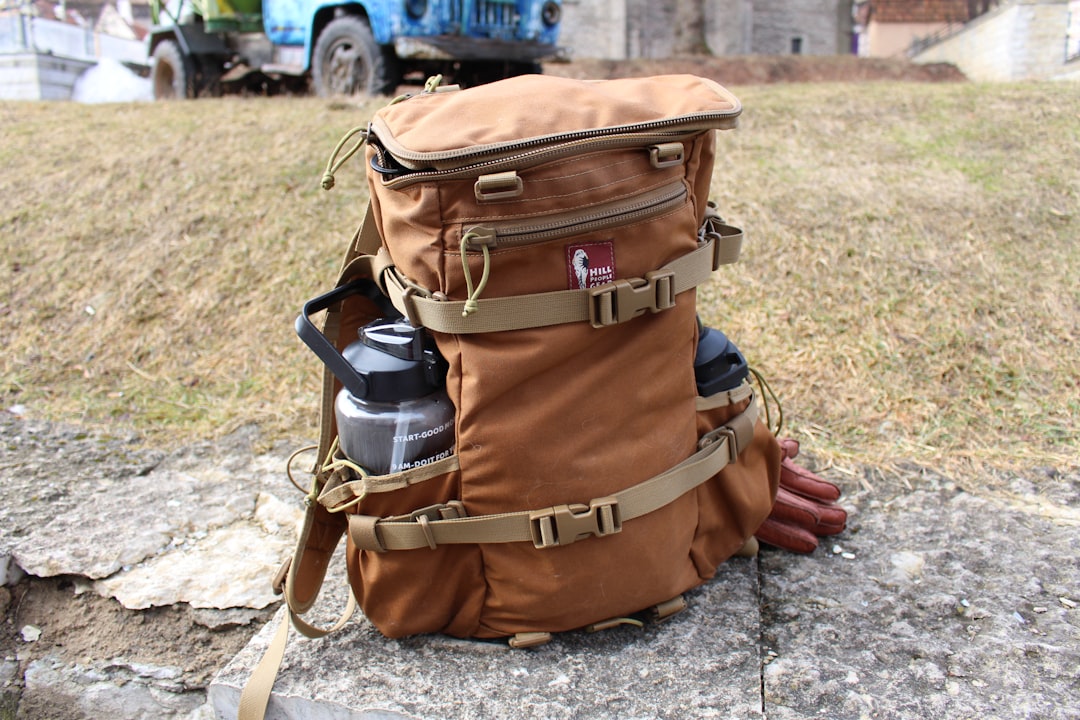
A backpack is often seen as the quintessential mark of a long-term traveler. It aligns with the ethos of minimalism and adventure, but its benefits are far more practical than just imagery.
Why a Backpack Might Be Your Best Ally
Unmatched Mobility: This is the number one reason. Cobblestone streets in Lisbon, endless stairs in an old Parisian metro station, unpaved roads in rural Thailand—a backpack goes where wheels can't. You can run to catch a train, hop on a crowded bus, or navigate a bustling market without breaking a sweat.
Enforced Minimalism: When you have to carry every ounce on your back, you quickly learn the art of packing only what's essential. This prevents overpacking and keeps you light and agile, saving money on checked bag fees.
Compressibility and Flexibility: Most quality travel backpacks have compression straps. A half-empty bag can be cinched down to a smaller, more manageable size, making it easier to stow in overhead compartments or under a seat. A rigid suitcase is always the same bulky size.
Hands-Free Advantage: With your luggage on your back, your hands are free to handle your phone for navigation, present a ticket, or grab a coffee on the go.
The Downsides of Carrying Your World
The Physical Strain: The most obvious drawback. Carrying 10-15kg on your back can be tiring, especially during long transit days. It's not a suitable option for travelers with back problems.
The Wrinkle Factor: It's harder to keep clothes neatly folded and wrinkle-free in a backpack. While packing cubes help immensely, a suitcase is generally better for business attire.
Security and Protection: Soft-shelled backpacks offer less protection for fragile electronics or souvenirs. They are also more susceptible to being slashed by thieves, although this is rare.
Accessibility: Top-loading backpacks can be a nightmare to live out of. Always opt for a front-loading or 'clamshell' design that opens like a suitcase for easy access.
The Case for the Suitcase: The Professional's Choice
Don't dismiss the suitcase just yet. For a certain style of digital nomad—the 'slowmad' who stays in one place for months or the professional who values organization—a suitcase can be the superior choice.
Why a Suitcase Still Rolls with the Best
Effortless Wheeling: In airports, modern train stations, and cities with smooth pavement, gliding a four-wheeled spinner suitcase is far easier than carrying a backpack.
Superior Organization and Protection: Hardshell suitcases provide excellent protection for laptops and other gear. The split-case design with divided compartments and straps makes organizing and living out of your luggage simple.
Professional Appearance: Arriving at a co-working space or a client meeting with a sleek suitcase can project a more professional image than a dusty backpack.
Waterproof Security: Many modern hardshell suitcases are inherently more water-resistant than fabric backpacks, offering peace of mind in a sudden downpour.
Where the Suitcase Falls Flat
The Enemy of Rough Terrain: As soon as you hit a curb, cobblestones, or a flight of stairs, your suitcase becomes a heavy, awkward box you have to carry. This is a major issue in many parts of Europe, Southeast Asia, and Latin America.
Navigating Crowds and Public Transport: Trying to drag a suitcase through a crowded metro or down the narrow aisle of a bus is frustrating for you and everyone around you.
The Temptation to Overpack: A large, empty suitcase practically begs to be filled with 'just in case' items, leading to heavy, impractical luggage and excess baggage fees.
Dead Weight: Some suitcases, especially cheaper models, can be heavy even when empty, eating into your precious carry-on weight allowance.
5 Key Factors to Make Your Decision
Still undecided? Answer these five questions to find your perfect match.
What is your travel style? Are you a 'perpetual traveler' hopping between countries every few weeks? Backpack. Are you a 'slowmad' setting up a base in a city for 3-6 months at a time? A carry-on suitcase could work perfectly.
What are your primary destinations? Heading to Southeast Asia, South America, or backpacking through Eastern Europe? Backpack. Focusing on major hubs in North America, Japan, or Western Europe with modern infrastructure? A suitcase is a viable option.
What's your budget? If you're a budget-conscious nomad relying on public transport and walking, the mobility of a backpack is invaluable. If you're a 'flashpacker' who typically takes Ubers from the airport to your Airbnb, a suitcase is more manageable.
What size do you really need? (The most important factor) Less is more. For 95% of digital nomads, a carry-on size bag (around 40 litres) is all you need. This saves you hundreds of dollars a year in checked bag fees and forces you to be efficient. Whether you choose a backpack or a suitcase, stick to carry-on size.
Can you afford quality? This is non-negotiable. A cheap bag with a broken wheel or a split zipper mid-trip is a disaster. Invest in a reputable brand like Osprey, Samsonite, or The North Face. A quality bag will last for years and is one of the best investments a nomad can make.
Conclusion: The Verdict for the Modern Nomad
For the quintessential digital nomad—the one who values ultimate freedom, mobility, and efficiency—the carry-on backpack is the clear winner. Its ability to conquer any terrain and adapt to any transport situation is invaluable for a life in motion.
However, the high-quality carry-on suitcase has a firm place in the world of location independence, especially for 'slowmads' or professionals who prioritize organization and operate in modern environments. Ultimately, the best choice is the one that removes friction from your journey. Choose the bag that empowers your personal travel style, stick to carry-on size, invest in quality, and you'll be well-equipped for a life of freedom and adventure.
Frequently Asked Questions
What is the best size bag for a digital nomad?
A carry-on size bag, typically around 40 litres, is ideal. It forces you to pack light, saves you money on checked baggage fees, and is much easier to manage on public transport. Unless you're carrying specialized equipment like camping gear, you rarely need more space.
Can I look professional while using a backpack?
Absolutely. Many modern travel backpacks, like those from brands like Aer or Peak Design, have a sleek, minimalist aesthetic suitable for professional settings. Choose a black or grey color and pair it with smart packing cubes to keep a set of business-casual clothes wrinkle-free.
Is a hardshell or softshell suitcase better?
Hardshell suitcases offer better protection from impacts and are more water-resistant. Softshell suitcases are often lighter and may have external pockets for quick-access items. For protecting electronics, hardshell is generally superior.
I have a bad back. Should I avoid a backpack?
Yes, most likely. If you have pre-existing back or shoulder issues, the convenience of a wheeled suitcase will almost always outweigh the mobility benefits of a backpack. The physical strain is not worth the risk of injury.
What's the one bag you would recommend for a new digital nomad?
The Osprey Farpoint/Fairview 40L is consistently rated as one of the best all-around travel backpacks. It's durable, comfortable, carry-on compliant, and opens like a suitcase, making it the perfect starting point for most digital nomads.
Backpack Vs Suitcase, Digital Nomad Luggage, Perpetual Traveler, Carry-on Travel, Nomad Tax, Long-term Travel Gear, Osprey Farpoint 40l, Minimalist Travel, Taxhackersio, Nomad Business