


Still paying taxes?

CBDCs in {{'now' | date: '%Y'}}: The End of Financial Privacy for Digital Nomads?

Last updated:

October 30, 2025

Are CBDCs a threat to your financial freedom? Our {{'now' | date: '%Y'}} guide for digital nomads breaks down the risks of Central Bank Digital Currencies, privacy concerns, and what you must know now.

Brett Jordan

Introduction

Imagine a world with no cash. Every coffee you buy, every service you sell, every transfer you make is a digital blip on a government-controlled ledger. This isn't a far-off dystopian fantasy; it's the future being actively built by over 130 countries, representing 98% of the global economy. Welcome to the era of Central Bank Digital Currencies (CBDCs).

For digital nomads, entrepreneurs, and perpetual travelers who thrive on financial freedom and privacy, the rise of CBDCs is a seismic shift. While proponents praise them as the next step in financial evolution, they pose a direct threat to the borderless lifestyle you've worked so hard to create. This guide breaks down what CBDCs are, why governments are racing to implement them, and what it means for your privacy, wealth, and freedom.

Key Takeaways for Digital Nomads

  • CBDCs are Centralized Control: Unlike cryptocurrencies, CBDCs are government-issued and monitored, designed for maximum oversight.

  • Privacy is the Primary Casualty: A CBDC system could eliminate financial anonymity, giving governments a complete view of your transactions.

  • Tax Planning Becomes Harder: With direct transaction monitoring, tax authorities could automate collection, challenging the strategies used by location-independent entrepreneurs.

  • Banking is Set for Disruption: The traditional role of commercial banks is at risk, which could impact credit availability and the international banking services you rely on.

  • This is Not a Future Problem, It's a Current Event: With over 130 countries exploring CBDCs, the time to understand the implications and prepare is now.

Table of contents

by our Clients

Digital Nomad and still paying taxes?

Don't let unnecessary taxes get your hard-earned money. Join the tax-free movement with Taxhackers.io, and transform your financial future today.

Taxhackers.io is a proud partner of:

Taxhackers.io is a proud partner of:

What Exactly is a CBDC? (Hint: It's Not Crypto)

It's crucial to understand the fundamental difference between a CBDC and cryptocurrencies like Bitcoin. While both are digital, their core philosophies are polar opposites.

  • Cryptocurrencies (like Bitcoin): Decentralized, permissionless, and operate on a public blockchain. They are designed to be outside the control of any single government or bank.

  • CBDCs (like a future Digital Dollar or Euro): Centralized, permissioned, and issued directly by a country's central bank. They are the digital equivalent of fiat currency (USD, EUR, etc.) and give governments more control, not less.

Think of it this way: A CBDC is essentially a direct line from your digital wallet to the central bank. Every transaction is recorded on a private, government-managed ledger. This isn't about financial liberation; it's about upgrading the existing monetary system for total oversight.

The Official Pitch vs. The Reality for Nomads

Governments and central banks are promoting CBDCs with a list of appealing benefits. They claim this new technology will:

  • Increase Financial Inclusion: Help the 'unbanked' access the financial system.

  • Improve Payment Efficiency: Make transactions faster and cheaper.

  • Combat Financial Crime: Track and prevent money laundering and terrorist financing.

While these goals sound noble, for a sophisticated digital nomad, they mask a more concerning agenda. The unparalleled transparency of a CBDC system is a double-edged sword. It gives governments the power to monitor, control, and even program your money.

The Death of Privacy: Your Finances Under the Microscope

The single greatest concern for any freedom-loving entrepreneur is the erosion of privacy. With CBDCs, financial anonymity becomes a relic of the past.

Because every transaction is recorded on a central ledger, authorities could have the power to:

  • Monitor All Spending: See every purchase you make, every service you pay for, and every transfer you receive in real-time.

  • Automate Tax Collection: Directly debit taxes from your wallet the instant you get paid, eliminating any possibility for strategic tax planning.

  • Freeze or Seize Assets: Instantly lock your funds without needing to go through a commercial bank, based on automated triggers or government directives.

  • Implement Programmable Money: This is where it gets truly alarming. A government could program CBDCs with rules, such as expiration dates (forcing you to spend), restrictions on certain purchases, or limits on how much you can transfer or save.

For a perpetual traveler navigating multiple tax jurisdictions, this level of surveillance could make optimizing your tax strategy infinitely more complex, if not impossible.

The War on Commercial Banks: What it Means for Your Business

CBDCs could fundamentally disrupt the entire banking system. In the current model, you deposit funds in a commercial bank (like Chase or HSBC), and they use those deposits to issue loans. Many non-US nomads use a US LLC specifically to gain access to the robust US commercial banking system.

With CBDCs, you could potentially hold your money directly with the central bank. This bypasses commercial banks entirely.

Potential Consequences:

  • Disrupted Lending: If commercial banks lose their deposit base, their ability to lend money to businesses and consumers could shrink dramatically. This could make credit harder and more expensive to obtain.

  • Less Competition: While bypassing bank fees sounds good, it could lead to a future where the central bank is the only significant player, reducing financial product innovation and consumer choice.

  • Systemic Risk: In a crisis, a mass withdrawal from commercial banks into the perceived safety of a central bank CBDC could trigger bank runs and destabilize the financial system.

The role of your trusted business bank account could change forever, potentially leaving you with fewer options and less control.

The Global CBDC Race: It's Happening Now

This isn't a theoretical discussion. The shift is already underway. Eleven countries, including The Bahamas and Jamaica, have already launched a CBDC. More importantly, the world's major economic powers are deep in development:

  • China: Is leading the charge with its Digital Yuan (e-CNY), which has already been trialed extensively with millions of citizens.

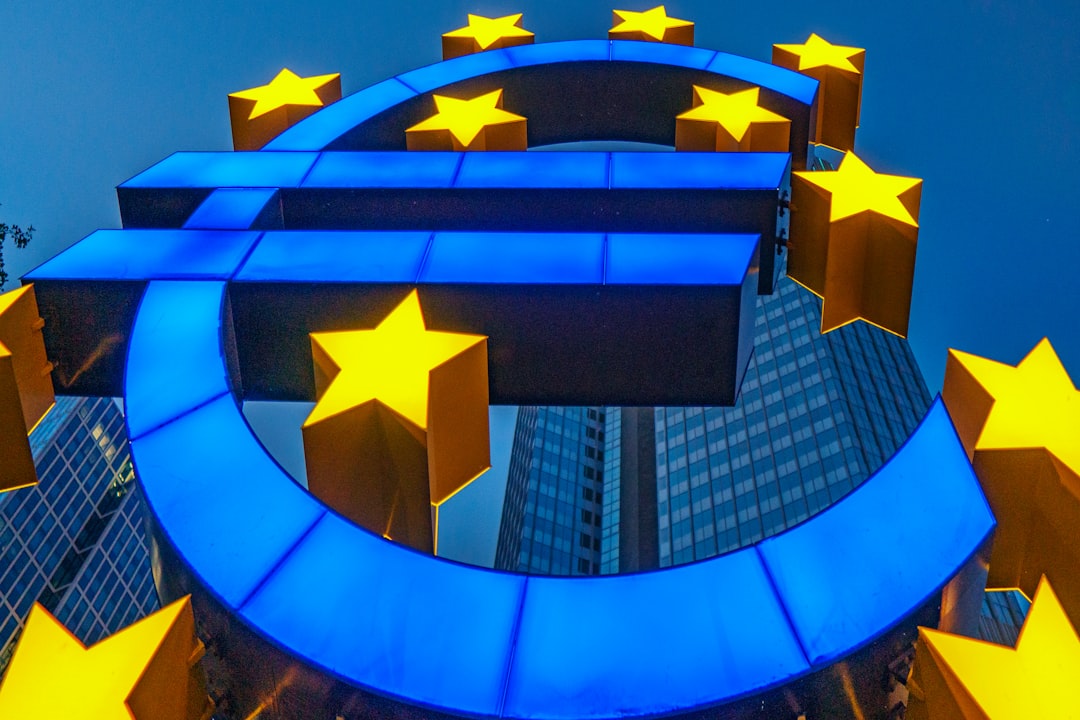
  • The Eurozone: The European Central Bank is in a pilot phase for a Digital Euro.

  • The United States: The Federal Reserve is actively researching a Digital Dollar, acknowledging it must keep pace.

The global race to launch a successful CBDC means that within the next decade, the way you earn, spend, and save money internationally will be completely transformed.


Conclusion: A Call for Proactive Financial Sovereignty

The global march towards Central Bank Digital Currencies represents one of the most significant shifts in the modern financial landscape. For the digital nomad, the perpetual traveler, and the freedom-focused entrepreneur, it's a development that cannot be ignored. The promise of efficiency comes at the steep price of privacy and control.

As governments reclaim control over the digital financial space, the principles of financial sovereignty, asset diversification, and strategic structuring become more critical than ever. Staying informed and exploring robust, privacy-preserving financial strategies, such as correctly structured US LLCs and alternative banking solutions, will be the key to navigating this new world. The era of 'Gov-coin' is coming, and your freedom depends on how you prepare for it.

Frequently Asked Questions

What is the main difference between a CBDC and a stablecoin like USDC or Tether?

A CBDC is a direct liability of the central bank, making it a sovereign-backed digital currency. A stablecoin is issued by a private company and is backed by assets like cash or bonds held in a commercial bank. Essentially, a CBDC is government money, while a stablecoin is a privately managed token striving to maintain a peg to government money.

Can the government freeze my CBDC wallet?

Yes. Because the system is centralized and permissioned, the issuing authority (the central bank or government) would almost certainly have the technical ability to freeze or seize funds in a digital wallet, likely much faster and with less due process than is currently required with commercial bank accounts.

Will CBDCs replace physical cash completely?

While many central banks initially state that CBDCs will coexist with cash, the long-term goal for many governments is to phase out physical currency. The declining use of cash, combined with the tracking and control benefits of CBDCs, creates a strong incentive for a fully digital, cashless society.

How will CBDCs affect international payments and my business?

Proponents claim CBDCs will make cross-border payments faster and cheaper. However, it could also create new complications. Different CBDC systems may not be interoperable, and governments could easily implement capital controls or restrictions on international transfers directly into the currency's code.

Are there any benefits of CBDCs for a digital nomad?

Potentially. In theory, CBDCs could reduce transaction fees and settlement times for international payments. However, for an audience that values privacy and financial sovereignty, these potential conveniences are likely to be heavily outweighed by the significant increase in surveillance and control.

Cbdc, Digital Nomad Tax, Central Bank Digital Currency, Financial Privacy, Perpetual Traveler, Nomad Tax Residency, Financial Surveillance, Cashless Society, Digital Euro, Digital Dollar

Digital Nomad and still paying taxes?

Don't let unnecessary taxes get your hard-earned money. Join the tax-free movement with Taxhackers.io, and transform your financial future today.

Taxhackers.io is a proud partner of:

Taxhackers.io is a proud partner of:

More Articles

The Digital Nomad's Guide to Property Ownership & Tax Residency in 2025

Can you own property as a digital nomad without becoming a tax resident? Explore our 2025 guide to 50 countries where a permanent dwelling won't trigger tax liability.

Abu Dhabi Digital Nomad Visa: Your Gateway to a Tax-Free Life in 2025

Discover the Abu Dhabi Digital Nomad Visa for 2025. Learn the requirements, costs, and step-by-step process to secure residency and enjoy a 0% tax life in the UAE.

Ditch PayPal: The 9 Best Payout Alternatives for Nomads with a US LLC in 2025

Tired of PayPal's high fees and frozen accounts? Explore the 9 best PayPal alternatives for digital nomads and non-US founders with US LLCs. Optimize your global payouts in 2025.

The EU Tax Blacklist 2025: A Digital Nomad's Guide to 'Uncooperative' Tax Havens

Discover what the EU tax blacklist for 2025 really means for digital nomads. Learn which tax havens are listed and how it impacts your banking and business.

Payoneer vs. Wise in 2025: The Ultimate Guide for Digital Nomads & Perpetual Travelers

Choosing between Payoneer and Wise in 2025? Our in-depth guide for digital nomads and perpetual travelers breaks down fees, features, and which is best for your business.

Payoneer vs. WorldFirst for Digital Nomads in 2025: Which is Best for Your Business?

Payoneer vs. WorldFirst for digital nomads in 2025. Uncover which platform offers lower fees, better multi-currency accounts, and is best for your non-US business or US LLC.

Italy's Low-Tax Regimes: The Ultimate Guide for Digital Nomads in 2025

Discover Italy's low-tax regimes for digital nomads in 2025. Learn how to get a 90% tax exemption with the Impatriate Regime and pay as little as 5-7% tax.

Canada's Secret Tax Haven: A Digital Nomad's Guide to Canadian Companies in 2025

Discover how non-resident digital nomads can use Canada's reputable business structures like LPs and LLPs for tax-free operations. A surprising alternative to US LLCs.

Nomad Residency Strategies 2025: Your Ultimate Guide to Legal Status & Tax Optimization

Unlock tax-free living in 2025. Our guide covers digital nomad residency options, the 183-day rule, and strategies to legally establish a low-tax base.

Load More

7 Sustainable Digital Nomad Jobs for Long-Term Income in 2025

Discover 7 sustainable digital nomad jobs for 2025. Our guide covers freelance, e-commerce, remote jobs, and more with details on income, costs, and getting started.

Best Digital Nomad Visas in Europe (2025): A Tax Guide for Entrepreneurs

Discover the best digital nomad visas in Europe for 2025. Our guide breaks down income requirements, visa length, and crucial tax benefits in Spain, Malta, Croatia, & more.

Bulgaria's 10% Flat Tax: The Ultimate Guide for Digital Nomads in 2025

Discover why digital nomads are choosing Bulgaria in 2025. Our ultimate guide covers the simple 10% flat tax on personal and corporate income, residency, and EU benefits.

Stop Losing Money on Bank Fees: The Ultimate Guide to International Money Transfers for Digital Nomads in 2025

Tired of high bank fees and poor exchange rates? Discover how modern international money transfer services help digital nomads & global businesses save money in 2025.

Mastering International Payments: The Ultimate Inward Remittance Guide for Global Entrepreneurs in 2025

Mastering inward remittance is key for digital nomads. Our 2025 guide explains how to get paid internationally, manage compliance, and optimize your finances.

Bank of America Wire Transfers for US LLCs: A Digital Nomad's Guide (2025)

Running a US LLC as a digital nomad? Our 2025 guide covers Bank of America's wire transfer fees, limits, and process for international payments. Learn the pros & cons.

Peru Digital Nomad Visa: Your Ultimate Guide for 2025

Get the latest on Peru's new Digital Nomad Visa for 2025. Learn about expected requirements, validity, and why Peru is a top choice for remote workers.

Vietnam for Digital Nomads 2025: Your Guide to Visas & Zero Tax

Discover how to live and work in Vietnam as a digital nomad in 2025. Our guide covers the tourist e-visa, the 183-day rule, and the strategy to legally pay zero tax.

Spain's Non-Lucrative Visa: The Ultimate Guide for Passive Income Earners in 2025

Unlock life in Spain with the Non-Lucrative Visa. Our 2025 guide covers passive income requirements, the application process, and key tax implications for investors.

Load More

Taxhackers.io

Join our newsletter

Sign up to our mailing list below and be the first to know about new updates. Don't worry, we hate spam too.

Taxhackers.io (Evergreen Technologies LLC) is not a licensed law or tax firm. The information provided is for educational purposes only and should not be considered legal or tax advice. Any decision to restructure your taxes or business setup must be made through your own due diligence and, where appropriate, with independent advice from a certified lawyer or tax advisor. We can connect you with our partner law firms for official legal opinions. Outcomes depend on your facts. VAT/GST and local rules may apply.

© 2025 Taxhackers.io | Evergreen Technologies LLC - All rights reserved

Taxhackers.io

Join our newsletter

Sign up to our mailing list below and be the first to know about new updates. Don't worry, we hate spam too.

Taxhackers.io (Evergreen Technologies LLC) is not a licensed law or tax firm. The information provided is for educational purposes only and should not be considered legal or tax advice. Any decision to restructure your taxes or business setup must be made through your own due diligence and, where appropriate, with independent advice from a certified lawyer or tax advisor. We can connect you with our partner law firms for official legal opinions. Outcomes depend on your facts. VAT/GST and local rules may apply.

© 2025 Taxhackers.io | Evergreen Technologies LLC - All rights reserved

Taxhackers.io

Join our newsletter

Sign up to our mailing list below and be the first to know about new updates. Don't worry, we hate spam too.

Taxhackers.io (Evergreen Technologies LLC) is not a licensed law or tax firm. The information provided is for educational purposes only and should not be considered legal or tax advice. Any decision to restructure your taxes or business setup must be made through your own due diligence and, where appropriate, with independent advice from a certified lawyer or tax advisor. We can connect you with our partner law firms for official legal opinions. Outcomes depend on your facts. VAT/GST and local rules may apply.

© 2025 Taxhackers.io | Evergreen Technologies LLC - All rights reserved